
NEIGHBORHOODS > PALERMO
Palermo
The neighborhood is named after Juan Domínguez Palermo, who bought a farm next to a boundary that he inherited from his deceased first wife, who received it from her father, Miguel Gómez, who received it from the second founder of the Buenos Aires, Juan de Garay, as payment due to those who had made the voyage with the explorer and became the first residents of the re-founded city. Two centuries later, in 1838, Juan Manuel de Rosas – then governor of Buenos Aires – began investing in land in Palermo. That same year, following the death of his wife Encarnación Ezcurra, Rosas built his residence on Sarmiento Street, between Figueroa Alcorta and Libertador. He continued purchasing land until 1849, accumulating a 541-hectare plot of land over eleven years. His tenacious involvement transformed the geography of Palermo: sandy terrain prone to flooding was leveled with soil brought from other places; the Belgrano ravines and the steep streets of Recoleta as well as Alvear Avenue emerged from this process.
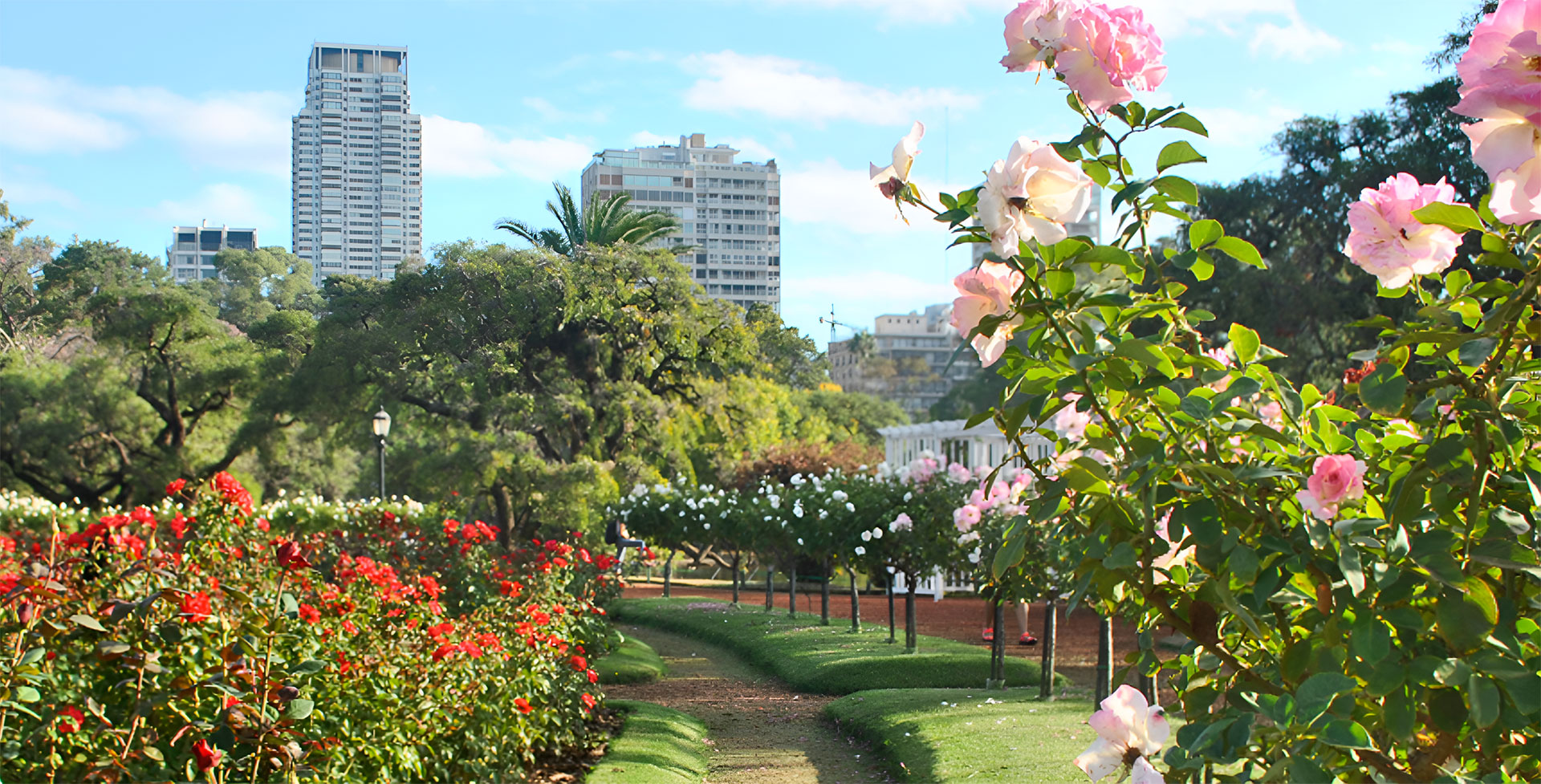
Today, with an area covering 15.6 km², Palermo is the largest neighborhood in the city. Much of it is occupied by the Palermo Woods, an extensive collection of parks and landscaped open spaces which include a golf course, a polo field, the Galileo Galilei Planetarium, a velodrome, the Argentine Hippodrome of Palermo, the Japanese Garden, and the Rosedal and its lake.
As it happens in every major city, the size and dynamism of the neighborhood has given rise to several unofficial “sub-neighborhoods”, usually nicknamed after their main trait. Pivotal among them:.
Palermo Botánico: Avant-garde neighborhood preferred by design and fashion entrepreneurs as well as restaurateurs.
Palermo Chico: Quiet, prestigious, upscale neighborhood, with lavish private residencies and embassies, favored by celebrities, athletes, and diplomats.
Palermo Hollywood: Named for its TV studios and movie production companies, it is also the city’s trendiest neighborhood. Guatemala Street – featured in Time Out’s “Five Coolest Streets in the World”, lays within its limits.
Palermo Nuevo: A small enclave characterized by new-development, amenity-clad towers, and the highest per m2 price off all Palermo.
Palermo Soho: Evoking the homonymous neighborhoods of London and New York, it is characterized by the preponderance of fashion designers, artists, galleries and trendy restaurants.
Notables
Museums &
Places of Interest
Museum of Latin American Art of Buenos Aires, National Museum of Decorative Art, Eduardo Sívori Museum of Plastic Arts, Monument to the Spanish, National Monument to the Memory of the Victims of the Holocaust, Basilica of the Holy Spirit, St. George’s Antiochian Orthodox Cathedral, King Fahd Islamic Cultural Center, Galileo Galilei Planetarium, Paseo de la Infanta.
Parks
Japanese Garden, Rose Garden of Palermo, Botanical Garden, Las Heras Park, Ecopark, Plaza Italia.
Food & Entertaintment
Racket Club, Crizia, Casa Cavia, Fogon Asado, Casa Coupage, Sacro, Fishermen’s Club, Palermo Hippodrome, Buenos Aires Lawn Tennis.
Hotels
Mine, Duque Hotel, Home, Dazzler,Casasur Bellini
Residential
Mirabilia Soler, Mirabilia Central, Mirabilia Palermo, Mirabilia Guatemala, Mirastar Fitz Roy, Mirabilia Dorrego.